Many people dealing with fear, panic, or intrusive memories feel stuck between wanting relief and not knowing where to begin. Traditional therapy helps, but imagining your fear or describing a traumatic moment can feel frustrating when your mind refuses to cooperate. Now imagine stepping into a completely controlled space where you can face those fears safely, gradually, and with full support. That is exactly what virtual reality therapy for anxiety and virtual reality therapy for PTSD is bringing to modern mental health care.
This isn’t a futuristic fantasy. It is a powerful next step that is helping people rewrite the way their brain responds to fear.
Why VR Is Becoming a Breakthrough in Mental Health
If you’ve ever wished you could press pause on your anxiety or finally face a traumatic memory without feeling overwhelmed, you’re not alone. When someone is anxious or carrying trauma, the brain tends to react automatically. Loud sound? Heart races. Confined space? Breath shortens. A reminder of past harm? Panic floods in. These reactions happen so quickly that traditional talk therapy sometimes can’t recreate the real sensations that a person needs to work through in a therapeutic way.
Enter VR.
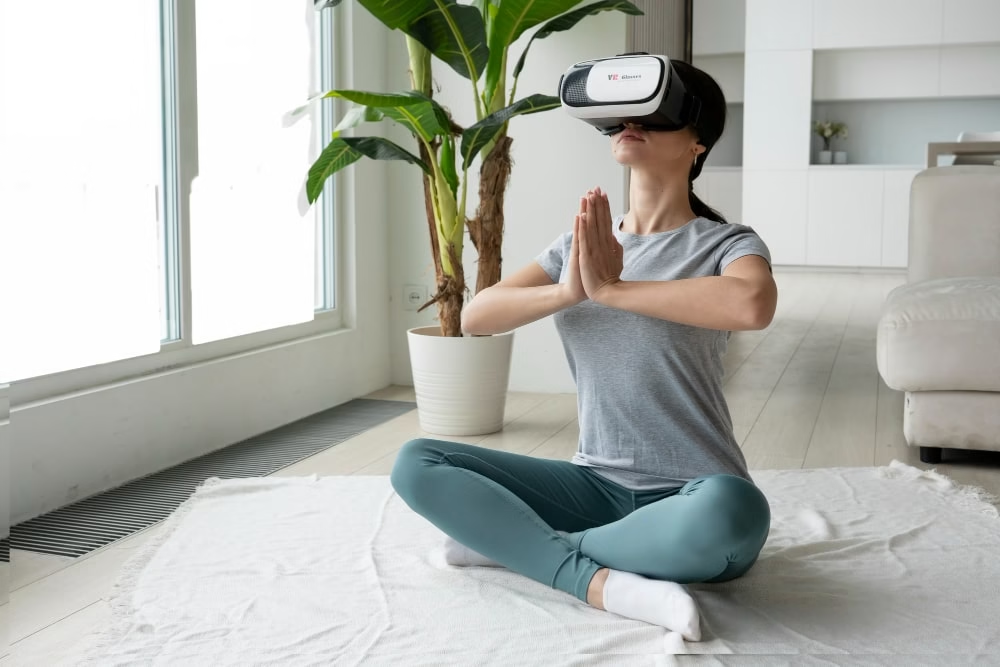
With virtual reality therapy for anxiety, patients put on a headset and are gently guided into lifelike digital environments created specifically to help them practice emotional regulation. Instead of relying only on imagination, they see, hear, and feel a realistic version of an anxiety-triggering situation while knowing they are completely safe.
The same approach makes virtual reality therapy for PTSD a groundbreaking option for trauma work. Carefully designed scenarios allow a patient to face memories or reminders in small, controlled steps rather than avoiding them altogether.
How VR Builds Confidence Instead of Fear
A major reason people avoid confronting anxiety or trauma is because their fear feels bigger than their ability to handle it. VR changes that balance.
Here’s how:
- The therapist controls the environment and can adjust intensity in seconds
- The patient can pause or slow the experience whenever needed
- The brain learns that discomfort does not equal danger
- Each successful moment builds a new sense of control
This repeated safe exposure helps the brain replace old fear responses with calmer, more rational patterns. Over time, what once felt impossible starts to feel manageable.
What VR Therapy Sessions Can Look Like
VR therapy is not a one-size-fits-all tool. The scenarios are designed around the individual’s needs.
For example:
- Someone working through panic may practice standing in a busy virtual airport
- A person with social anxiety might rehearse conversations in a virtual room filled with people
- Someone healing from trauma may gradually explore environments connected to their experience, guided by a therapist every step of the way
The goal is not to recreate pain. It is to help the brain process it safely so the person can move forward.
Why VR Works Especially Well for Anxiety
Virtual reality therapy for anxiety offers several advantages that traditional therapy alone cannot always provide:
- It creates predictable, repeatable environments for steady progress
- It bypasses the limits of imagination, which is difficult when anxiety is high
- It keeps people engaged, reducing the likelihood of dropping out
- It allows skill-building in real time, not just in conversation
Because the exposure can be closely tailored, patients often feel more comfortable trying situations they would otherwise avoid in everyday life.
A Game-Changing Tool for PTSD Recovery
Many people seeking virtual reality therapy for PTSD describe feeling “stuck between past and present.” VR helps bridge that gap.
Through carefully guided sessions, the individual learns to:
- Confront memories without being overwhelmed
- Reduce avoidance, which often keeps trauma symptoms alive
- Build emotional resilience
- Reclaim a sense of safety
The therapist monitors reactions, provides grounding strategies, and adjusts the scene as needed. Over time, the memories lose their intensity, allowing healing to become possible.
What to Consider Before Starting VR Therapy
While VR is exciting and effective, it isn’t meant to replace all forms of therapy. It works best when paired with supportive approaches such as cognitive behavioral therapy, mindfulness, and ongoing talk-based care. A skilled clinician ensures that VR is used responsibly and that each session moves the patient toward healing, not overwhelm.
Take the Next Step Toward Healing with Polished Mind Psychiatry
You don’t have to face anxiety or trauma feeling powerless. At Polished Mind Psychiatry, we offer compassionate, science-backed support including virtual reality therapy for anxiety and virtual reality therapy for PTSD, helping you build confidence and emotional freedom one step at a time.
If you’re ready to experience a new, hopeful way of healing, we’re here to walk beside you.
Reach out today and discover how life can feel lighter, calmer, and truly within your control.