
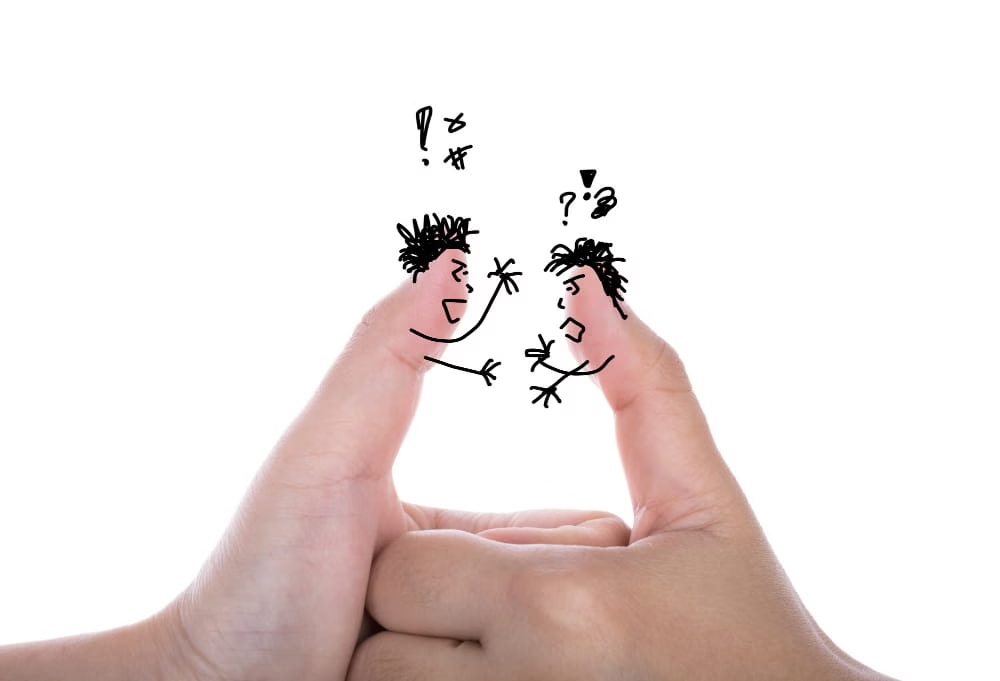
Small disagreements are a normal part of everyday life, yet many people are surprised by how quickly minor issues can escalate into intense arguments. What begins as a simple misunderstanding often turns emotional, personal, and overwhelming. Understanding why this happens requires looking closely at emotional triggers, internal experiences, and the role of Mental health in how people respond to stress and conflict.
The Hidden Weight Behind Small Conflicts
Most conflicts are not really about the surface issue. A forgotten text, a misplaced comment, or a difference of opinion can carry hidden emotional weight. These moments often tap into unresolved feelings such as fear, insecurity, or past hurt. When emotional pressure has been building internally, even a small trigger can feel like “the final straw.”
People tend to react strongly when they feel unheard, disrespected, or dismissed. These feelings activate emotional responses that are far more intense than the situation itself. The reaction makes sense when the conflict is viewed as emotional rather than purely logical.
Emotional Triggers and the Brain’s Response
Emotional triggers are experiences or words that activate strong emotional reactions, often automatically. When triggered, the brain’s emotional center reacts faster than the rational part responsible for problem-solving. This is why people sometimes say things they later regret or feel unable to calm down in the moment.
Stress hormones flood the body, increasing heart rate and narrowing focus. The brain prioritizes protection over communication, turning small disagreements into perceived threats. Over time, unmanaged stress and unresolved emotions can heighten sensitivity, making triggers easier to activate. This pattern is especially relevant when considering Mental health, as emotional regulation plays a central role in conflict response.
Past Experiences Shape Present Reactions
Personal history strongly influences how conflicts unfold. Past experiences such as childhood criticism, unstable relationships, or repeated invalidation can leave emotional imprints. When a current situation resembles an earlier painful experience, the emotional reaction may be stronger than expected.
In these moments, the mind reacts not only to the present issue but also to past pain. This emotional overlap explains why people may feel overwhelmed or defensive without fully understanding why. Recognizing this connection is an important step toward healthier emotional responses.
Communication Styles and Escalation
The way people communicate during disagreements significantly impacts whether a conflict stays small or grows. Tone of voice, body language, and word choice can either calm or inflame emotions. Passive-aggressive remarks, interruptions, or dismissive responses often intensify emotional reactions.
When communication lacks empathy, people feel misunderstood or attacked, even if that was not the intention. Over time, repeated communication breakdowns create emotional tension, making future conflicts escalate more quickly. Strong emotional awareness and effective communication skills are essential components of mental health, especially in relationships and workplaces.
The Role of Emotional Suppression
Suppressing emotions may seem like a way to avoid conflict, but it often has the opposite effect. Unexpressed feelings do not disappear; they accumulate. When emotions are repeatedly ignored or minimized, they eventually surface with greater intensity.
This buildup can cause emotional outbursts that feel sudden or disproportionate. Small conflicts then become outlets for long-held frustration, sadness, or anger. Learning to recognize and express emotions early can prevent escalation and promote healthier interactions.
Stress, Burnout, and Emotional Sensitivity
High stress levels reduce emotional resilience. When people are tired, overwhelmed, or burned out, their ability to cope with minor frustrations decreases. Everyday challenges feel heavier, and patience runs thin.
Chronic stress affects emotional regulation and increases reactivity. This is why conflicts often intensify during demanding life phases. Supporting overall well-being and addressing stressors can reduce emotional sensitivity and improve conflict management, reinforcing the importance of mental health in daily functioning.
Building Awareness and Emotional Regulation
Awareness is the first step in breaking the cycle of escalating conflicts. Recognizing personal triggers, emotional patterns, and physical signs of stress helps individuals pause before reacting. Simple practices such as deep breathing, taking time-outs, or reflecting before responding can reduce emotional intensity.
Learning emotional regulation does not mean avoiding conflict but handling it with clarity and empathy. Healthy conflict resolution strengthens relationships and promotes emotional growth rather than damage.
When Professional Support Helps
Sometimes emotional triggers are deeply rooted and difficult to manage alone. Professional support can help individuals understand underlying patterns, process past experiences, and develop healthier coping strategies. Therapy provides a safe space to explore emotional reactions and improve communication skills.
Addressing emotional triggers early can prevent recurring conflict cycles and improve overall quality of life.
Support Your Emotional Well-Being with Polished Mind Psychiatry
If small conflicts feel overwhelming or emotions escalate quickly, professional support can make a meaningful difference. Polished Mind Psychiatry offers compassionate, expert care to help you understand emotional triggers, strengthen emotional regulation, and build healthier relationships. Reach out today to take a confident step toward emotional balance and well-being.