
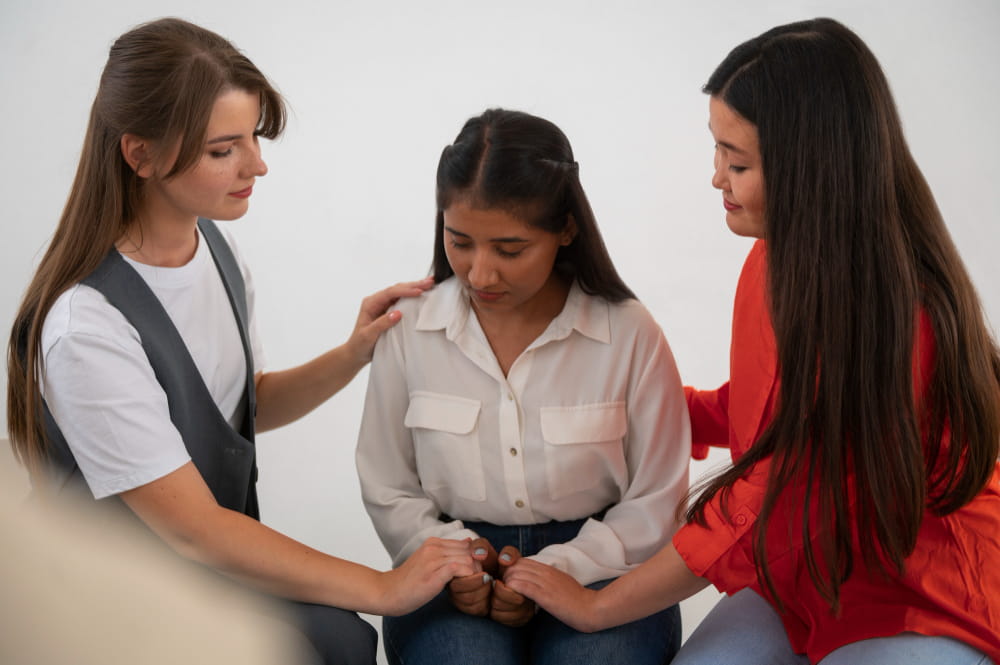
For generations, many girls have grown up learning to stay quiet about their pain. They are often praised for being accommodating, resilient, and emotionally “strong,” even when they are struggling inside. These expectations can make it incredibly hard for girls to talk openly about anxiety, depression, trauma, or stress. When emotional distress is ignored or minimized, shame quietly takes its place, convincing young women that their feelings are a weakness rather than a natural human response.
Empowering girls to speak honestly about their inner world is not just a social issue; it is a health issue. When girls feel safe to express themselves, they are more likely to seek support early, understand their emotions, and develop lifelong coping skills. Open conversations also normalize reaching out for mental health treatment, helping girls see care as an act of self-respect instead of failure.
How Shame Silences Girls at an Early Age
Shame around mental health rarely appears out of nowhere. It is shaped by cultural messages, family dynamics, media portrayals, and peer pressure. Girls may be told directly or indirectly that they are “too emotional,” “overreacting,” or “dramatic.” Over time, these labels can lead them to question their own experiences and suppress their needs.
Social media can amplify this problem. While online spaces can foster connection, they also create unrealistic standards of happiness, beauty, and success. Many girls compare their private struggles to others’ curated lives and assume they are alone in their pain. Without open dialogue, emotional suffering becomes something to hide rather than address, delaying access to mental health treatment that could significantly improve quality of life.
Creating Safe Spaces for Honest Expression
One of the most powerful ways to empower girls is by creating environments where they feel emotionally safe. This begins at home, in schools, and within communities. Adults play a crucial role by listening without judgment, avoiding quick fixes, and validating feelings even when they do not fully understand them.
Language matters. When adults respond with curiosity instead of criticism, girls learn that their emotions are worth exploring. Simple phrases like “That sounds really hard” or “I’m glad you told me” can open the door to deeper conversations. In these safe spaces, girls begin to see that seeking mental health treatment is not a sign of weakness but a practical step toward healing and growth.
Education as a Tool for Breaking Stigma
Education is one of the strongest antidotes to shame. When girls are taught about mental health in age-appropriate, honest ways, fear and misunderstanding begin to fade. Learning that anxiety and depression are common, treatable conditions helps remove the sense of isolation many girls feel.
Schools that include emotional wellness in their curriculum send a clear message: mental health is just as important as physical health. This knowledge empowers girls to recognize early warning signs in themselves and others, encouraging timely mental health treatment rather than silent suffering. Education also helps peers become allies, reducing bullying and promoting empathy.
Representation and Role Models Who Speak Up
Seeing other women and girls talk openly about their mental health journeys can be life-changing. When public figures, athletes, artists, or community leaders share their stories, they challenge the myth that strength means silence. These stories remind girls that vulnerability and courage can coexist.
Representation matters in clinical settings too. When girls see mental health professionals who understand their cultural background, identity, and unique challenges, it builds trust. Feeling understood increases the likelihood that girls will engage fully in mental health treatment and continue care when things feel difficult.
Encouraging Help-Seeking Without Pressure
Empowerment does not mean forcing girls to talk before they are ready. True support respects autonomy and timing. Some girls may express themselves through writing, art, music, or movement before they are comfortable with words. All of these forms of expression are valid and meaningful.
When help is needed, guidance should feel supportive rather than overwhelming. Offering options, explaining what therapy looks like, and addressing fears about confidentiality can ease anxiety. When girls understand that mental health treatment is a collaborative process tailored to their needs, they are more likely to take that step with confidence.
The Long-Term Impact of Open Conversations
When girls grow up in environments where mental health is discussed openly, the benefits extend far beyond adolescence. They become adults who can name their emotions, set boundaries, and seek support without shame. These skills improve relationships, careers, and overall well-being.
Normalizing conversations around mental health also creates ripple effects across families and communities. Girls who feel empowered often encourage others to speak up, gradually transforming silence into understanding. Early and compassionate mental health treatment can change life trajectories, reducing the risk of long-term emotional distress and helping individuals thrive.
Supporting Girls with Compassionate Professional Care
Professional support can be a vital part of a girl’s healing journey, especially when challenges feel overwhelming. Thoughtful, individualized mental health treatment provides tools for coping, self-awareness, and resilience. When care is delivered with empathy and respect, it reinforces the message that girls deserve support, understanding, and hope.
At Polished Mind Psychiatry, we are dedicated to creating a welcoming, judgment-free space where girls and young women can speak openly and feel truly heard. If you or someone you love is ready to begin a healthier, more empowered chapter, reach out to Polished Mind Psychiatry today and take the first step toward compassionate, personalized care.