
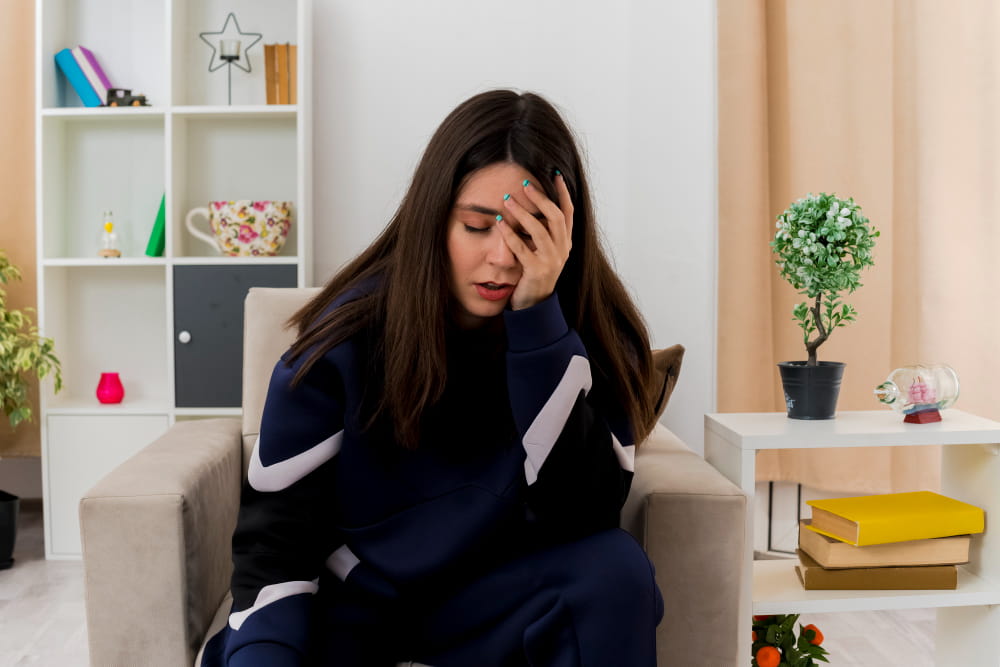
On the outside, everything looks fine. The deadlines are met. The children are cared for. The emails are answered. The social commitments are honored. Yet behind the scenes, many women are quietly carrying a heavy emotional weight that few people see. High-functioning depression is becoming more visible in conversations about women’s emotional well-being, and it deserves thoughtful attention.
High-functioning depression does not always fit the stereotypical image of someone unable to get out of bed. Instead, it often appears in women who are productive, responsible, and outwardly composed. They continue to show up for work and family, yet internally they may feel persistent sadness, exhaustion, emptiness, or self-doubt. Because they are still “functioning,” their struggles are frequently minimized by others and sometimes even by themselves.
What Is High-Functioning Depression?
High-functioning depression is not a formal clinical diagnosis, but it commonly refers to a pattern of ongoing depressive symptoms in individuals who maintain daily responsibilities. Many women experiencing this pattern meet criteria for persistent depressive disorder or major depressive episodes while continuing to perform at work and at home.
These women often describe feeling like they are constantly pushing through fog. They may smile in meetings while battling hopeless thoughts. They may organize family gatherings while feeling emotionally disconnected. Over time, the gap between outward success and inward struggle can grow wider and more painful.
Because they are meeting obligations, they may not seek help immediately. Some believe that if they are still productive, their distress is not serious enough to warrant support. This belief can delay treatment and deepen emotional strain.
Why Women Are Especially Vulnerable
Social expectations play a powerful role. Many women are raised to be caretakers, achievers, and emotional anchors for others. They may feel pressure to manage careers, relationships, parenting, and social responsibilities without showing cracks. Admitting to emotional exhaustion can feel like failing at those roles.
Hormonal changes across the lifespan also contribute. Puberty, pregnancy, postpartum adjustments, and perimenopause can all influence mood stability. When layered on top of external pressures, these biological shifts can intensify vulnerability to depressive symptoms.
There is also the invisible labor many women carry. Planning schedules, remembering appointments, anticipating family needs, and managing household dynamics create constant cognitive load. When appreciation is limited and expectations remain high, emotional depletion can follow.
The Hidden Signs to Watch For
High-functioning depression can be subtle. A woman may continue performing well at work but feel chronically drained. She might withdraw emotionally from friends or experience frequent irritability at home. Sleep disturbances, difficulty concentrating, and loss of joy in previously meaningful activities are common signals.
Perfectionism often accompanies this pattern. Some women overwork as a way to avoid confronting their feelings. Others maintain strict routines to preserve a sense of control. While these strategies may sustain external success, they rarely address the underlying emotional pain.
Over time, unaddressed symptoms can evolve into deeper episodes of depression. Recognizing early warning signs and validating them is essential. Emotional suffering does not need to reach a breaking point before it becomes worthy of attention.
The Impact on Relationships and Self-Worth
When a woman feels persistently low but continues to function, she may start to question her own reality. Thoughts such as “I have no reason to feel this way” or “Other people have it worse” can create shame. This internal criticism often worsens depressive patterns.
Relationships can also be affected. Emotional withdrawal may lead partners or friends to assume everything is fine, increasing feelings of isolation. The woman herself may hesitate to share her inner world, fearing she will burden others.
This isolation reinforces the cycle. The more alone she feels, the harder it becomes to reach out. A supportive environment and professional guidance can interrupt this pattern and create space for honest conversations.
The Growing Role of Accessible Support
One positive shift in recent years is the expansion of mental health services beyond traditional office settings. Many women appreciate the flexibility and privacy of depression therapy online. Virtual care allows individuals to attend sessions from home, eliminating commute time and scheduling barriers.
For busy professionals and mothers, depression therapy online can fit more realistically into daily routines. It offers consistent access to licensed clinicians who understand the complexity of high-functioning depression. This approach reduces stigma and increases the likelihood that women will seek support earlier.
Research continues to show that depression therapy online can be as effective as in-person treatment for many individuals. The convenience often leads to better attendance and continuity of care, both of which are critical for lasting improvement.
Treatment Approaches That Make a Difference
Effective treatment typically combines therapeutic strategies tailored to the individual’s needs. Cognitive behavioral therapy helps identify distorted thought patterns and replace them with balanced perspectives. Interpersonal therapy addresses relationship stressors and communication challenges. In some cases, medication may be recommended alongside psychotherapy.
Women engaging in depression therapy online often report relief simply from being heard without judgment. Having a structured space to explore emotions can reduce self-blame and increase clarity. Gradually, coping tools replace survival strategies.
Lifestyle adjustments also support recovery. Prioritizing sleep, setting realistic boundaries, incorporating physical activity, and practicing self-compassion all contribute to emotional resilience. Therapy provides guidance on implementing these changes sustainably.
Reframing Strength and Vulnerability
One of the most important cultural shifts involves redefining strength. Strength does not mean enduring silent suffering. True resilience includes recognizing when support is needed and taking action to obtain it.
When women choose depression therapy online or in-person care, they model healthy behavior for families and communities. They demonstrate that mental health deserves the same attention as physical health. This reframing reduces stigma and empowers others to seek help as well.
High-functioning depression may be quiet, but its impact is real. Addressing it requires compassion, awareness, and accessible care options that meet women where they are.
If you or someone you care about is quietly struggling, Polished Mind Psychiatry offers personalized treatment plans and convenient depression therapy online designed to fit your life. Reach out today to take the first step toward clarity, connection, and renewed emotional well-being.